Origin of name for Poland zloty
The name "złoty" for the Polish currency has historical origins dating back to medieval times. The word "złoty" in Polish translates to "golden" in English. The name reflects the historical use of gold as a standard material for currency and the high value associated with gold coins.
During the Middle Ages, when Poland began to mint its own coins, gold coins were indeed among the most valuable and prestigious currencies in circulation. The Polish złoty originated as a gold coin and was initially equivalent to a certain weight of gold. Over time, as currency systems evolved and Poland adopted various monetary standards, the złoty became the standard unit of currency, regardless of the material used for its production.
The name "złoty" persisted even when the currency was no longer made of gold. It became a unit of account, with banknotes and coins denominated in złoty, but not necessarily made of gold. This historical continuity helped maintain the cultural significance of the name and its association with value and wealth.
Today, the Polish złoty remains the official currency of Poland, although it is no longer made of gold. The name "złoty" continues to symbolize the country's rich history and traditions, reflecting its origins as a currency rooted in medieval times when gold coins were considered the most valuable form of money.
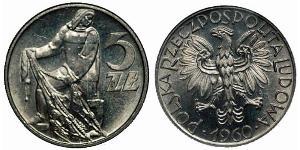
You may be interested in following coins


������o�
�ؕ(YR���4
�/�>|�4����<�q��,�#�ֹuvIz9[�AY���8)���h묀G
ԼP�heJ����v���0VZ��V?da���}9i��� ��V�z}��"t^O�M���$П�w֞/���N��T+妖Xq�M���� �K]M�߅l�3i�5��H��
S�aк��QD0�"��̻
V�h��]^,�8ۘG�\C��s�6�|K3Ͷ��
a�F����ݡPv����s���.V���Č�gtP�.��;GQcj��sL?���\d